Kanji of the Day Vol.53 | "Kanji 悟 (Satori): The Japanese Symbol for Enlightenment Awakening Your Soul"

悟 (satori) is the Japanese symbol for enlightenment, a character rooted in Zen Buddhism and the heart-mind. Explore its readings, stroke structure, Buddhist context, and how to choose it authentically as a personal symbol or tattoo without falling for common mistranslations.
Kanji 悟 (Satori): The Japanese Symbol for Enlightenment Awakening Your Soul
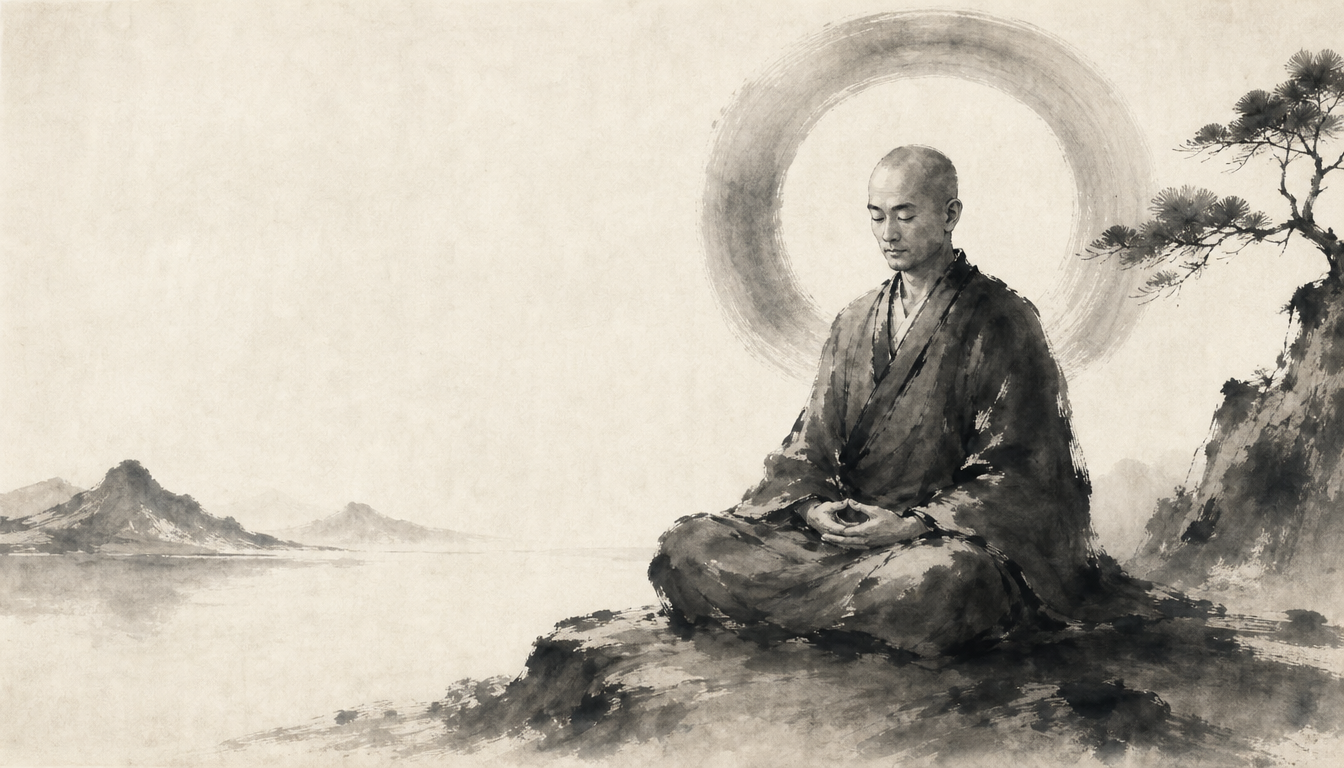
The japanese symbol for enlightenment, 悟, carries one of the most quietly powerful meanings in the language. It names the moment a fog lifts and you see the true nature of things. People who feel drawn to 悟 are often mid-journey, seekers of clarity, calm, and self-understanding, choosing a character that reflects an inner shift rather than an outer achievement. This is the story of that character, its Buddhist roots, its brushstrokes, and why it resonates with anyone chasing awakening.
Discover Your Soul Kanji
Experience the depth of Japanese characters: each kanji carries timeless meaning, guiding your life's path.
No credit card required • 2-minute process
What Satori Means: Definition and Buddhist Context

Satori (悟り) is a Japanese Buddhist term for awakening, comprehension, and understanding. According to the Wikipedia entry on Satori, the word describes the experience of grasping the true nature of reality, an insight often considered impossible to put into words. It derives from the Japanese verb satoru, meaning "to know," yet it points beyond ordinary knowledge. Satori dissolves the split between the one who knows and the thing known.
In the Zen Buddhist tradition, satori refers to a deep experience of kenshō, "seeing into one's true nature," where ken means seeing and shō means nature or essence. Zen itself grew from Chan Buddhism in China, which, as OpenStax notes, "stressed the disciplined practice of meditation and following the example of a Chan master" who wrestled with paradoxical questions to reach enlightenment. That austere, meditative lineage traveled to Japan and became the Zen we recognize today.
Satori is not a reward earned through study alone. Chan and Zen masters pursued it through meditation and humble labor, insisting that awakening arrives as a felt shift in perception rather than accumulated facts.
This is why 悟 speaks so directly to wellness and mindfulness seekers. It names the goal of contemplative practice: a sudden, lived clarity. Satori is awakening you experience, not information you memorize.
References: Satori — Wikipedia; OpenStax, World History Vol. 1
The Kanji 悟 (Satoru): Reading and Stroke Breakdown
The character 悟 carries the on'yomi reading GO and the kun'yomi reading satoru (悟る), "to realize" or "to become enlightened." As a Buddhist noun it appears as 悟り (satori). Jisho.org confirms that 悟り carries the meanings "enlightenment; spiritual awakening; satori." The name reading in personal names is also commonly Satoru, and JapaneseNames.info lists 悟 with the core meanings "enlightenment, realization."
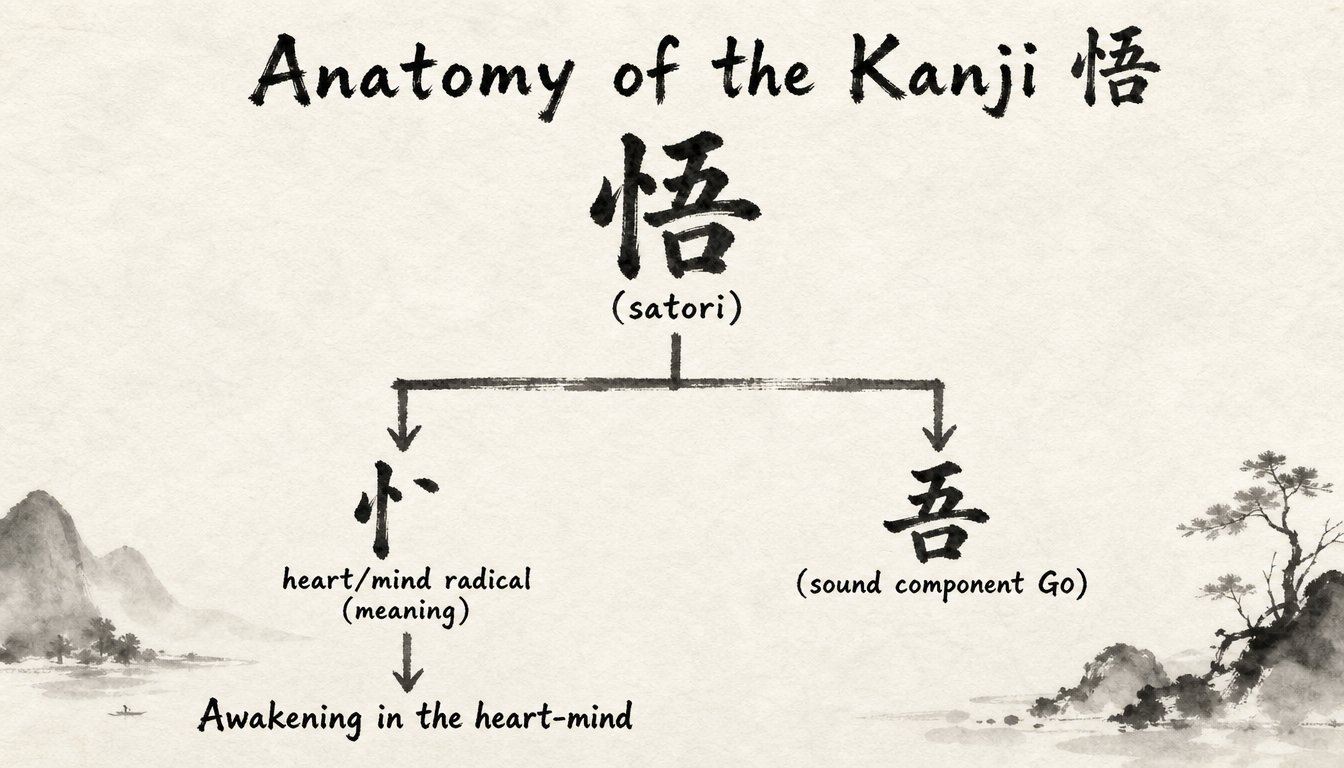
Structurally, 悟 pairs two parts. On the left sits the heart radical (忄), the vertical form of 心 (kokoro, "heart/mind"), which anchors the character in feeling and consciousness. On the right sits 吾, which functions largely as a phonetic component carrying the go sound. The combination reads beautifully as a concept: awakening that happens in the heart-mind. Enlightenment in 悟 is not abstract logic. It lives where you feel and perceive.
The table below shows the essentials at a glance.
| Item | Detail |
|---|---|
| Kanji | 悟 |
| On'yomi | GO |
| Kun'yomi | satoru (悟る) |
| Buddhist noun | 悟り (satori) |
| Radical | 忄 (heart/mind) |
| Core meaning | enlightenment, realization |
The heart radical matters for anyone considering this character personally. Many kanji for "understanding" lean on words or eyes. 悟 places awakening inside the heart, which is why it feels less like solving a puzzle and more like a change of being.
The left element in 悟 is 忄, the compressed form of 心 (heart). If a design shows a different left-side radical, it is not 悟. Always confirm the exact character before committing it to art or a tattoo.
References: Jisho.org — satori; JapaneseNames.info — 悟
The Meaning Beneath the Meaning
On the surface, 悟 translates as "to realize" or "enlightenment." Beneath that, it carries a specific emotional texture. This is the awakening of someone who has passed through confusion and come out clear. JapaneseNames.info describes the character as implying a person who can "wake up from any confusion or difficulty and find clarity." That nuance separates 悟 from words that simply mean "smart" or "educated."
Everyday realization versus spiritual awakening
The verb 悟る covers both a small daily insight and a life-altering spiritual breakthrough. You might 悟る that a friendship has run its course, or a Zen practitioner might 悟る the emptiness at the core of existence. The character stretches across that whole range, which makes it feel honest rather than lofty. Enlightenment here is a practice, available in ordinary moments.
| Aspect | 悟 as clarity | 悟 misread as "smart" |
|---|---|---|
| Source of insight | Inner awakening, felt shift | Test scores, memorized facts |
| Emotional tone | Calm, resolved, at peace | Competitive, external |
| Cultural fit in Japan | Reads as spiritual and elegant | Misses the Buddhist depth |
Choosing 悟 for its true meaning, rather than as a generic "clever" character, is exactly the kind of distinction that keeps a personal kanji culturally accurate.
From Oracle Bone to Modern Kanji
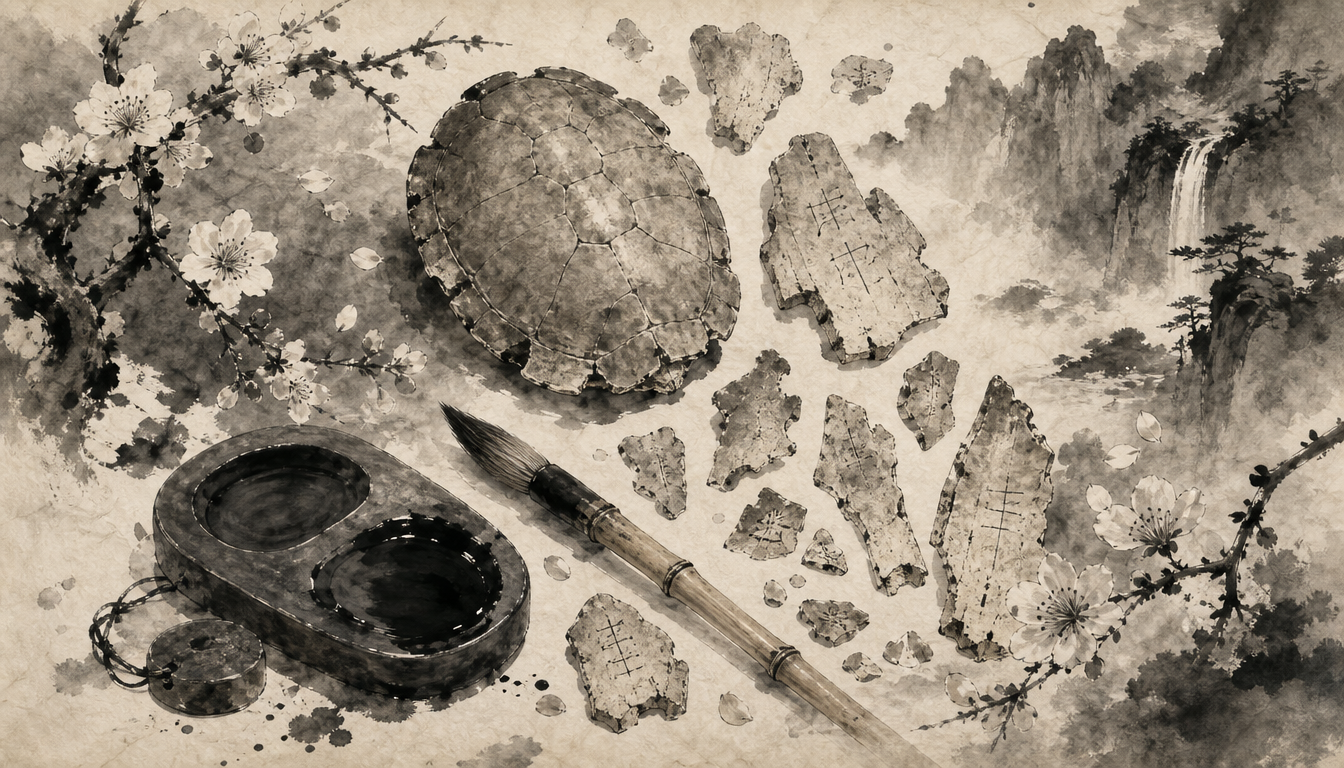
Chinese characters trace back to oracle bone script, the ancient divinatory writing that later evolved through seal script, clerical script, and the regular script used today. 悟 belongs to the large family of characters built from a meaning component plus a sound component. The heart radical 心 supplies the sense of mind and feeling, while 吾 (originally "I, me") lends the pronunciation.
That construction tells its own small story. Wisdom in the Chinese and Japanese tradition was never purely intellectual. By rooting "realization" in the heart, the character quietly argues that true understanding involves the whole person, emotion and awareness together. When Chan and later Zen masters spoke of awakening, this is the kind of knowing they meant: intimate, embodied, and impossible to fake.
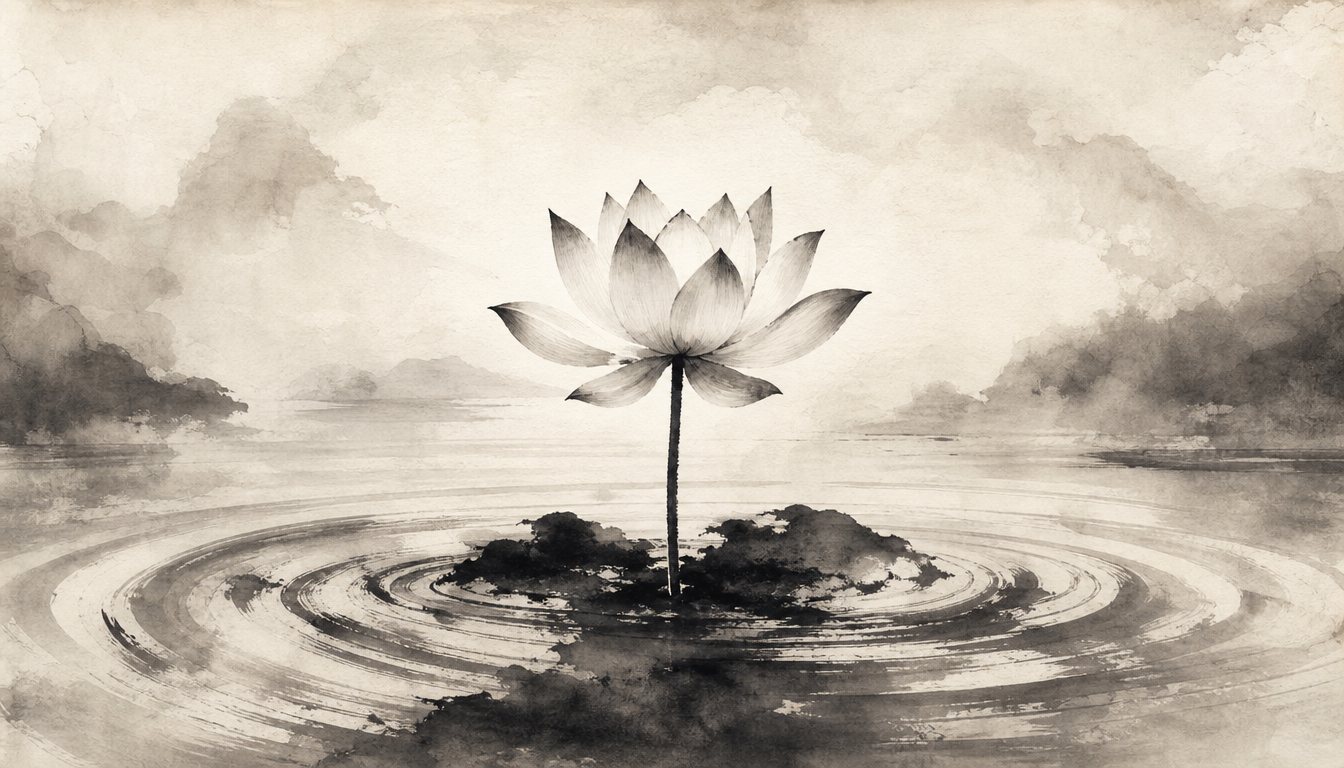
Enlightenment appears across Japanese Zen art in many forms. The ensō, a single brushed circle, symbolizes absolute enlightenment and emptiness, while the lotus rising from mud represents the soul blooming into awakening. 悟 is the written companion to these visual symbols.
Understanding this heritage is what separates a meaningful character from a decorative one. The japanese symbol for enlightenment gains its power from centuries of contemplative tradition, not from a font on a converter site.
Choosing 悟 as a Personal Symbol or Tattoo
Visually, 悟 has a pleasing balance. The slim vertical heart radical on the left plays against the fuller 吾 on the right, giving the character a sense of quiet asymmetry that brush artists love. It works well in vertical compositions and pairs naturally with related characters of calm and clarity.
If you are planning a tattoo or a piece of personal art, keep a few practical points in mind:
- Confirm the exact stroke order and the correct heart radical 忄 before finalizing.
- Never mirror or rotate the character. A flipped kanji reads as a mistake to any Japanese speaker.
- Consider pairings that deepen the theme, such as 心 (heart) or 静 (stillness), rather than clashing concepts.
- Ask a native reader to verify the design, since small font distortions can change or break a character.
This is where a culturally grounded tool earns its place. Oracle Kanji Writer, the Personalized Soul Kanji Diagnosis Tool, was built by Japanese creators who care about how a character reads in Japan, not just how it looks. Enter your name, birthdate, and blood type, and the algorithm recommends a kanji aligned with your inner qualities, complete with pronunciation, layered meanings, a personal message, and hand-picked compound words. You receive elegant kanji art you can save for wallpapers, keepsakes, or tattoo planning, along with the cultural context that prevents mistranslations and cliché picks.
FAQ
What symbol represents enlightenment?
In written Japanese, 悟 (satori) is the character that represents enlightenment and realization. In visual Zen art, the ensō, a single brushed circle, symbolizes absolute enlightenment and emptiness, and the lotus flower represents awakening rising from the mud of ordinary life.
What is the kanji for enlightenment?
The kanji for enlightenment is 悟, read satoru as a verb (悟る) and appearing as the noun 悟り (satori). Jisho.org lists its meaning as "enlightenment; spiritual awakening; satori," and JapaneseNames.info gives its core sense as "enlightenment, realization."
What is enlightenment called in Japanese?
Enlightenment is called satori (悟り). The term comes from the verb satoru, "to know," but in Zen it points to an awakening that transcends ordinary knowledge and the divide between the knower and what is known.
What is the Zen symbol in Japanese?
The best-known visual Zen symbol is the ensō, the single ink circle representing enlightenment, emptiness, and the infinite. In written form, 悟 (satori) is the character most tied to the Zen goal of awakening.
Conclusion
The japanese symbol for enlightenment rewards anyone willing to look past its surface. To recap what makes 悟 worth carrying:
- 悟 (satori) means enlightenment and realization, an awakening felt rather than memorized.
- Its readings are GO (on'yomi) and satoru (kun'yomi), forming the Buddhist noun 悟り.
- The heart radical 忄 roots the character in the heart-mind, not pure intellect.
- It grew from the Chan and Zen tradition of meditation-based awakening carried from China to Japan.
- As a personal symbol, it pairs beautifully with characters of stillness and clarity, provided the exact form is confirmed.
If 悟 speaks to your search for clarity, let a culturally accurate guide point the way toward the character that fits your own path.
Discover the Kanji That Represents You
Your soul may resonate with awakening, or it may call for strength, stillness, or courage. A thoughtful diagnosis can reveal which character reflects your inner nature and life direction.
Related Kanji
Discover Your Soul Kanji
Experience the depth of Japanese characters: each kanji carries timeless meaning, guiding your life's path.
No credit card required • 2-minute process