Hikari Name Meaning: A Guide to Light, Kanji, and Culture
Hikari (ひかり, 光) is one of the most evocative Japanese names, meaning 'light' or 'radiance.' This guide explores its kanji variations, unisex usage, pronunciation, cultural symbolism in Buddhism and aesthetics, related characters, and notable people who carry the name — plus what it means to choose Hikari thoughtfully today.
The Core Meaning of Hikari: Light as Essence
Few Japanese names carry the immediate, universal resonance of Hikari (ひかり). Translating simply as light, radiance, or glow, the name draws directly from one of the most cherished images in Japanese aesthetics and spirituality. Unlike many given names that combine kanji to produce a constructed meaning, Hikari is one of the rare Japanese names that is also a complete, everyday noun — hikari (光) literally means light, derived from the verb hikaru (光る), meaning to shine.
This direct link between name and word gives Hikari a clarity that many Japanese names lack. When a Japanese speaker hears the name, they do not need to ask which kanji it uses to grasp the feeling — the sound itself evokes brightness, hope, and warmth. According to Wikipedia, Hikari is a Japanese unisex name written as ひかり, ヒカリ, or 光, with the single-kanji 光 standing as the most iconic and recognizable form.
For anyone drawn to Japanese culture for its blend of subtle elegance and deep meaning, Hikari is a name — and a concept — worth understanding in depth. It appears in everything from train names and pop songs to Buddhist texts and contemporary tattoos, making it one of the most accessible entry points into the world of Japanese symbolic language.
Discover Your Soul Kanji
Experience the depth of Japanese characters: each kanji carries timeless meaning, guiding your life's path.
No credit card required • 2-minute process
Kanji Variations and Writing Systems
Japanese names can be written in kanji (Chinese-origin characters), hiragana (the flowing native syllabary), or katakana (the angular syllabary often used for emphasis or foreign words). Hikari appears in all three, and each choice carries a different visual and emotional tone.
The Three Standard Writings
- 光 — The classic single-kanji form. Iconic, instantly readable, and tied directly to the noun for light.
- ひかり — The all-hiragana form. Soft, gentle, and often perceived as feminine and decorative.
- ヒカリ — The katakana form. Modern, stylized, and sometimes used for artistic or pop-cultural effect.
The hiragana spelling has grown especially popular for girls in recent decades. It feels rounded and warm on the page, and it sidesteps the more masculine-leaning weight of the single kanji 光. Meanwhile, parents who want a stronger, more grounded look often choose 光 alone — a character that fits neatly into Japan's standardized writing system, which according to Wikipedia consists of 2,136 jōyō kanji taught in school and used in everyday publications.
Three-Kanji Combinations
Some parents prefer to spread the sound across three kanji — hi-ka-ri — to layer additional meanings. Common combinations include characters meaning princess, flower, fragrance, village, or pear blossom. These multi-kanji forms allow a name to feel both phonetically familiar and visually personalized, a hallmark of contemporary Japanese naming.
WritingScriptTone & FeelCommon Usage光Single kanjiStrong, classic, directUnisex, slightly traditionalひかりHiraganaSoft, gentle, decorativePredominantly feminineヒカリKatakanaModern, stylized, artisticPop culture, stage names陽香里 / 妃香梨 etc.Three kanjiLayered, personalizedCustomized given names
Gender Usage: A Truly Unisex Name
Hikari is one of the clearest examples of a genuinely unisex Japanese name. Historically it leaned feminine, especially when written in hiragana, but the meaning light carries no inherent gender, and the single-kanji 光 has long been used for boys as well. In modern Japan, Hikari sits comfortably on both sides of the spectrum.
Generally speaking:
- For girls: ひかり (hiragana) and 光 are both common. The hiragana spelling dominates in feminine usage because of its softer aesthetic.
- For boys: 光 is the standard. The kanji's bold, balanced shape gives the name a strong visual presence.
- Cross-cultural use: Outside Japan, Hikari is most often given to girls, but its unisex status is increasingly recognized.
This flexibility makes Hikari attractive to international parents and adults exploring Japanese-inspired identity choices — whether for a child, a chosen name, or a personal symbol. The name does not box anyone in; it simply means light, and light belongs to everyone.
Pronunciation Guide
Hikari is pronounced as three short, even syllables: hi-ka-ri. In linguistic notation it appears as [çì̥.ká.ɾʲí], but for English speakers a simpler guide works just as well.
Step-by-Step Pronunciation
- Hi — like the English word he, but shorter and breathier. The Japanese h before i is softer, almost like a gentle whisper.
- Ka — a crisp kah, similar to the start of cup but with a brighter vowel.
- Ri — a light, flicked ree. The Japanese r is not the English rolled R; it's a quick tap of the tongue, sitting somewhere between an English r, l, and d.
The stress is even across all three syllables, with a subtle rise on ka. Avoid the common English habit of emphasizing the first syllable heavily — HI-ka-ri sounds noticeably off to Japanese ears. Instead, aim for a smooth, almost musical flow: hi-ka-ri.
For learners building familiarity with kanji readings, the character 光 is listed on Jisho.org as a common JLPT N4-level word, meaning it appears in early-intermediate Japanese vocabulary lists.
Cultural Significance and Symbolism
To understand why Hikari resonates so deeply, you have to look at what light means inside Japanese culture. Light is never just illumination — it is a layered symbol that touches religion, aesthetics, and everyday emotional vocabulary.
Light in Japanese Spirituality
In Buddhism, light represents wisdom, awakening, and the dispelling of ignorance. The phrase kōmyō (光明) — literally radiant brightness — refers to the spiritual luminosity of enlightened beings. Amida Buddha, central to Pure Land Buddhism, is often called the Buddha of Infinite Light. In Shinto, sunlight is tied to Amaterasu, the sun goddess and mythological ancestor of the imperial line. To carry the name Hikari is, in a quiet way, to carry centuries of this spiritual imagery.
Light in Aesthetics and Daily Life
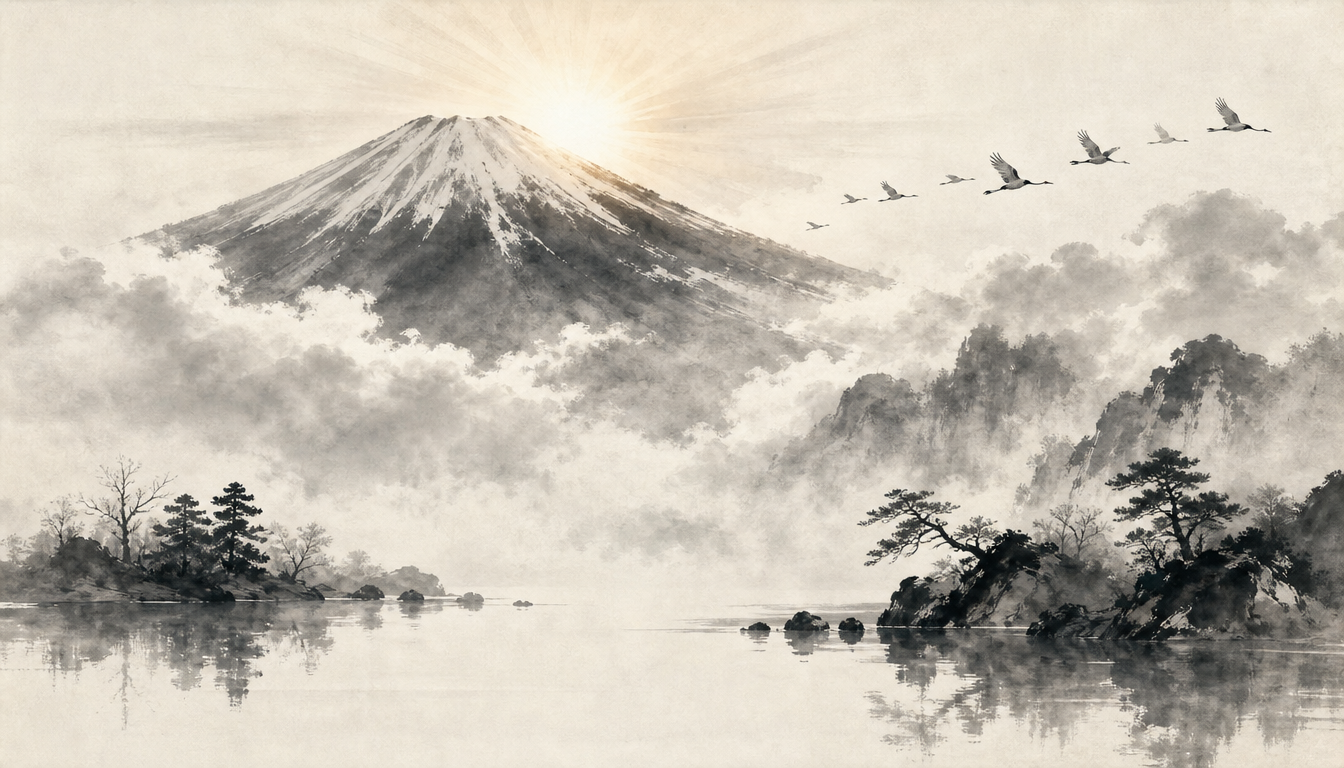
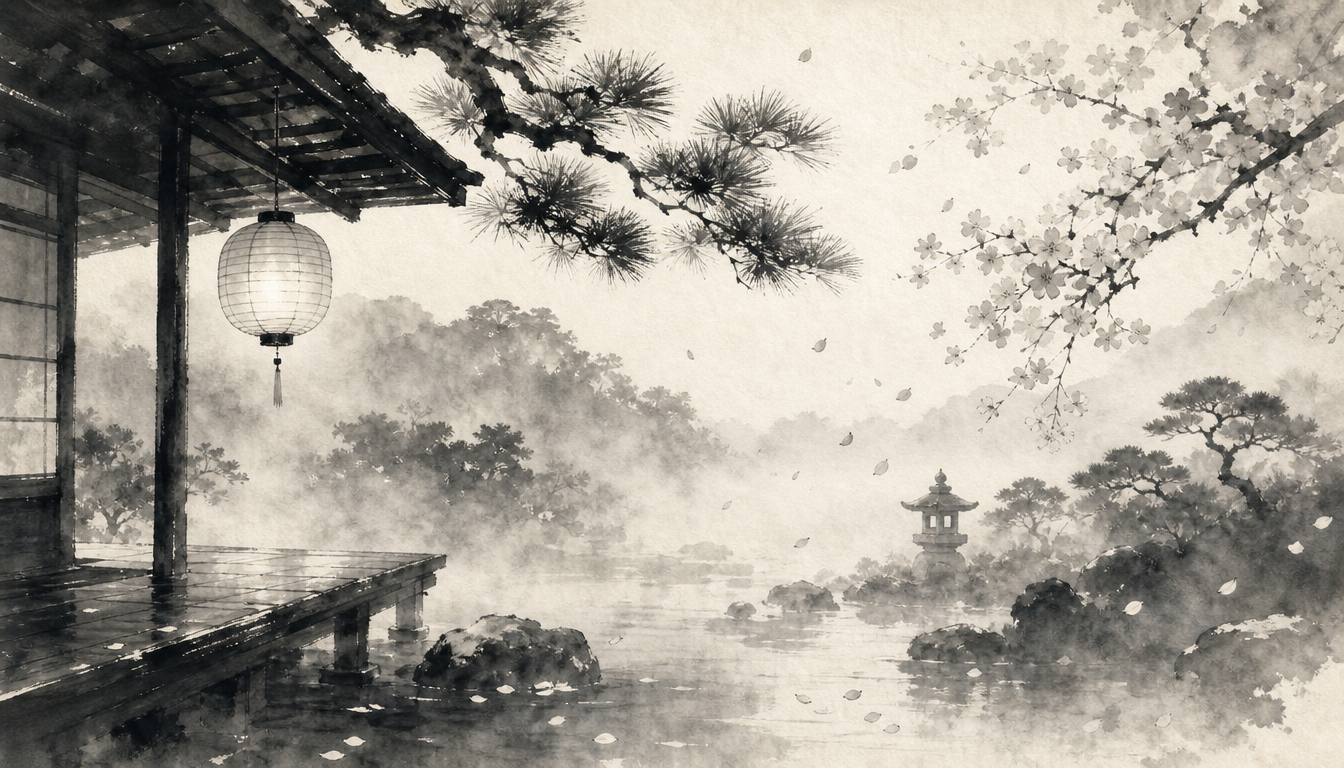
Japanese aesthetics treasure subtle gradations of light: the dappled glow filtering through bamboo (komorebi), the silver light of the moon, the first rays of dawn (asahi). The name Hikari draws from this entire palette. It suggests not a harsh spotlight but a gentle, life-giving radiance — the kind of light that warms without overwhelming.
Even in modern Japan, the word carries weight. The flagship Shinkansen bullet train running on the Tōkaidō Line is named Hikari, reflecting the idea of swift, brilliant movement toward the future. The name appears in countless songs, anime characters, and literary works, almost always carrying a sense of hope, guidance, or quiet inner strength.
What Parents Hope For
When Japanese parents name a child Hikari, they typically wish for the child to:
- Illuminate the lives of others
- Find clarity in difficult moments
- Move through life with hope and warmth
- Be a guiding presence for family and community
Related Kanji and Alternative Characters
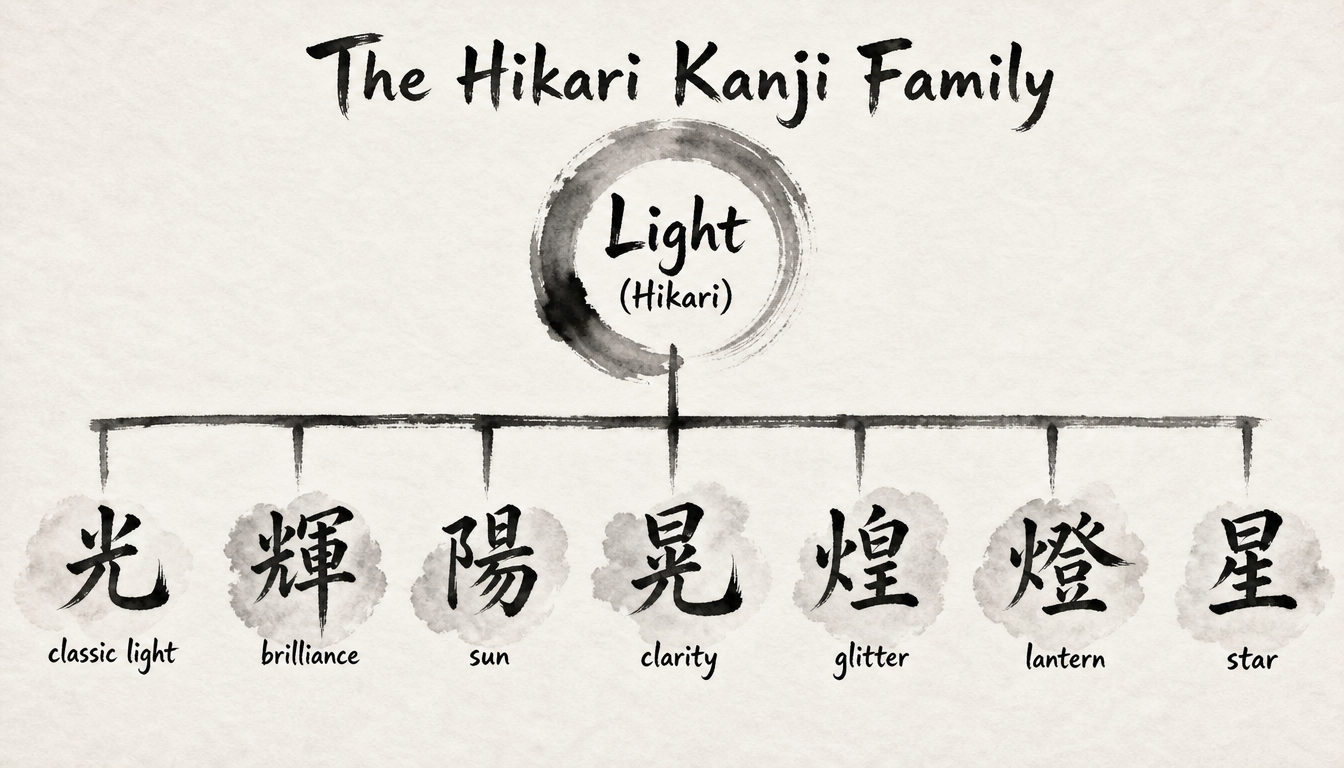
The concept of light in Japanese is rich enough to support a whole family of related kanji. While 光 is the most direct match for Hikari, many other characters express variations of brightness, glow, or luminosity. Understanding these alternatives is especially valuable for anyone considering a kanji tattoo, calligraphy piece, or personalized symbol — small differences in character choice produce meaningfully different impressions.
KanjiReadingNuanceBest For光hikari / kōLight, ray, beam, glowClassic, universal use輝kagayaki / kiBrilliance, sparkle, dazzleVivid, energetic imagery陽yō / hiSun, daylight, positive energyWarmth and vitality晃akira / kōBright, clear, dazzlingNames emphasizing clarity煌kira / kōGlittering, shining brilliantlyModern, stylish names燈 / 灯tomoshibi / tōLamp, lantern lightIntimate, guiding light星hoshi / seiStarCelestial, distant brilliance
Related names share the same conceptual orbit. Hikaru (ひかる) is the verb form — to shine — and functions as a closely related unisex name. Akari (あかり), meaning light from 明 (bright), is another popular feminine name in the same family. Choosing among these is partly a matter of sound, partly of visual feel, and partly of which shade of light most resonates with the person.
This is the kind of nuance that often gets flattened in casual translations or generic name lists. Services like the Oracle Kanji Writer – Personalized Soul Kanji Diagnosis Tool are designed to bridge that gap, helping users discover which specific character — not just which English meaning — best aligns with their personality, life path, and aesthetic sensibility. For anyone planning a tattoo or meaningful keepsake, that distinction matters enormously.
Notable People and Real-World Usage
Hikari has been carried by a number of well-known figures in Japanese arts and entertainment, lending the name both contemporary glamour and artistic depth. According to Wikipedia, notable people named Hikari include novelists, actresses, voice actresses, athletes, and idols across several generations.
Hikari Mitsushima
Among the most prominent is actress and singer Hikari Mitsushima (満島 ひかり), born on 30 November 1985 in Kagoshima, Japan. She is widely regarded as one of the most versatile performers of her generation, recognized for her emotional film work and her musical projects. In 2017, she appeared as the vocalist and dancer in Mondo Grosso's video for Labyrinth, a track that has garnered over 42 million views on YouTube as of December 2025 — a cultural touchstone that introduced her artistry to a global audience.
Other Notable Figures
- Hikari Agata (干刈 あがた, 1943–1992) — novelist and translator
- Hikari Ishida (石田 ひかり, born 1972) — actress
- Hikari Mori (森 星, born 1992) — model and television host
- Hikari Kodama (小玉 ひかり, born 2000) — singer and voice actress
Beyond individual people, the name appears throughout Japanese pop culture. The classic 1980s shōjo manga and anime Hikari no Densetsu (光の伝説, Legend of Light), serialized in Margaret magazine, helped cement the name's romantic, aspirational image for a generation of readers. And the JR Tōkaidō Shinkansen's Hikari service has carried millions of passengers under the banner of light for decades.
Modern Popularity and Naming Trends
Inside Japan, Hikari remains a steadily popular name — not a trend-driven spike, but a quietly enduring choice that crosses generations. Its appeal lies in being both familiar and meaningful: every Japanese speaker instantly grasps the word, yet the name never feels overused.
Hikari Outside Japan
Internationally, Hikari is far rarer. According to data·yze, only 19 baby girls were named Hikari in the United States in 2021. This rarity is part of its appeal for global audiences — the name carries the prestige of authenticity without being a name that other children at school will share.
This places Hikari in an attractive sweet spot for cross-cultural parents and adults seeking a meaningful personal name: it is universally pronounceable, culturally rich, and statistically distinctive in Western contexts.
Why Hikari Resonates Today
The renewed global interest in Japanese aesthetics — through anime, J-pop, minimalist design, wabi-sabi, and mindfulness culture — has lifted names like Hikari into broader visibility. Adults exploring Japanese culture often find that light as a personal symbol speaks to multiple modern hungers at once:
- Wellness seekers connect Hikari to inner clarity and mindfulness.
- Tattoo enthusiasts appreciate that 光 is short, balanced, and visually elegant — a single character that says everything.
- Creatives and writers use Hikari as a pen name or persona for its musicality.
- Parents see it as a positive, unisex option that travels well across cultures.
Choosing Hikari Thoughtfully
One challenge with adopting a Japanese name or kanji outside Japan is the risk of mistranslation or cliché choices that miss the cultural nuance. A character can be technically correct but stylistically off — or culturally accurate but personally mismatched. This is precisely the gap that the Oracle Kanji Writer – Personalized Soul Kanji Diagnosis Tool addresses. By inputting basic details like name, birthdate, and blood type, users receive a kanji curated by Japanese creators to reflect their inner qualities — complete with pronunciation, primary and nuanced meanings, compound words for context, and a personal message.
For someone drawn to the concept of Hikari, this kind of personalized exploration can reveal whether 光 is truly the right character for them, or whether a related kanji — 輝, 晃, 陽, or another — captures their essence more precisely. The result is a symbol that feels authentic in Japan and personally meaningful at home, whether it ends up on a wall, a wallpaper, or as a thoughtfully planned tattoo.
Final Thoughts: Carrying the Light
Hikari is more than a translation of light. It is a doorway into Japanese aesthetics, spirituality, and the quiet art of naming with intention. Whether you are considering it as a name for a child, exploring it as part of your own identity, or weighing it as a symbol for a tattoo or piece of art, Hikari rewards a closer look. Its sound is gentle, its meaning universal, its history rich, and its visual form — especially in the single kanji 光 — remarkably elegant.
Few words bridge cultures as gracefully. Light is something everyone recognizes; Hikari is the Japanese way of holding it.
Discover Your Soul Kanji
Experience the depth of Japanese characters: each kanji carries timeless meaning, guiding your life's path.
No credit card required • 2-minute process